Three commonly used locking methods for circular connectors
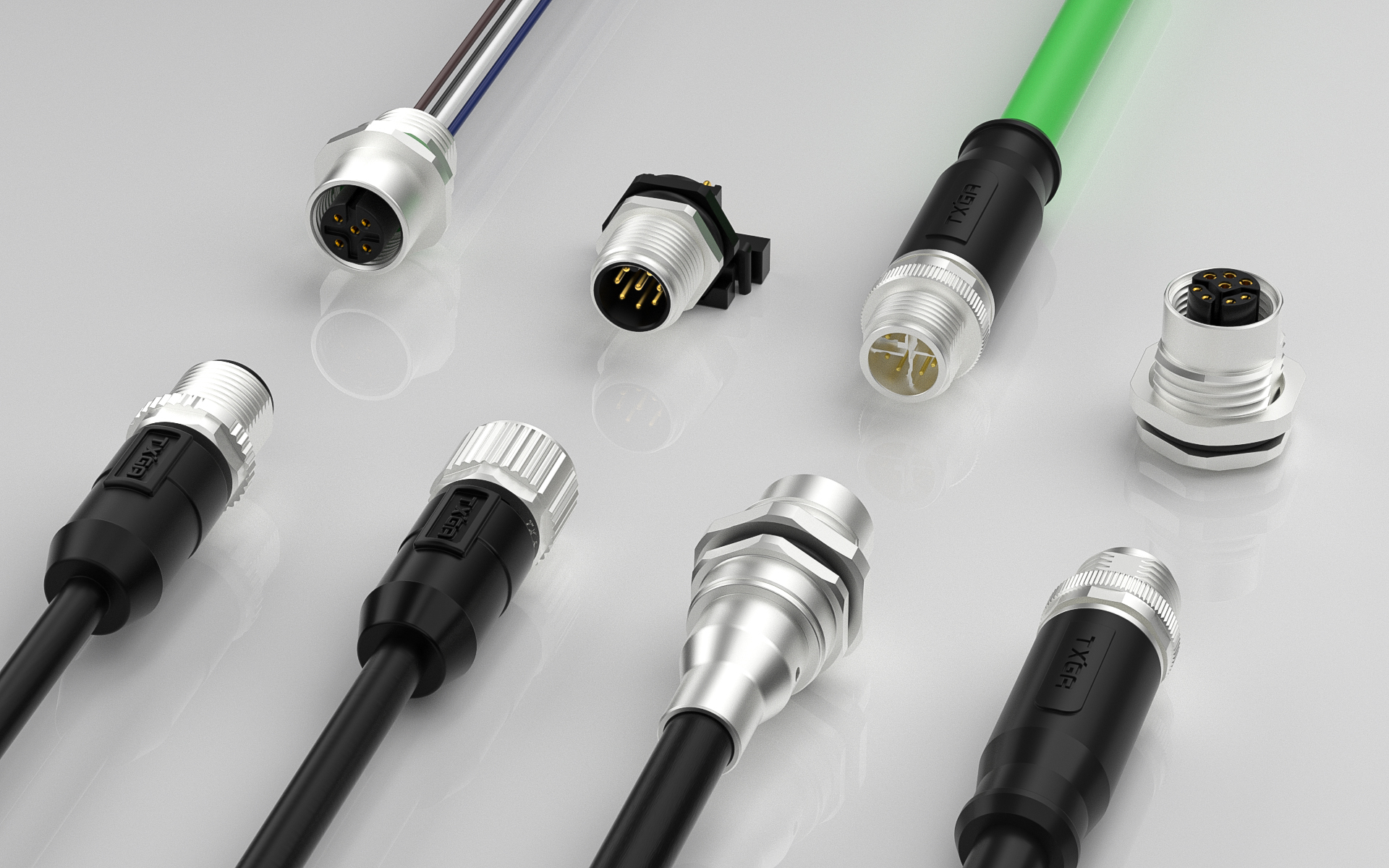
In the industrial field, circular connectors, as widely used connecting devices, often need to maintain stable connections in harsh environments such as vibration, humidity, and corrosion. To ensure a secure connection and enhance product reliability, it is necessary to select an appropriate locking method based on the specific usage environment. Here are three commonly used locking methods for circular connectors:
1. Thread locking utilizes the self-locking characteristic of threads to tightly connect the plug and the socket. To prevent loosening in vibration or impact environments, fuses, set screws, or ratchet-and-wheel structures are generally used for reinforcement. This locking method is reliable and convenient to use, but the insertion and separation speed is relatively slow, and requires a large operating space, so it is more suitable for use in environments with ample operating space.
II. Bayonet Locking Bayonet locking involves setting three bayonets at 120-degree intervals around the outer circumference of the socket, which mate with the bayonet slot structure on the other end to achieve rapid rotation and tightening. This method is convenient to operate, but the locking force mainly relies on the compression force generated by the wave spring inside the connecting cap, which cannot provide a rigid locking effect.
III. Push-pull Locking When space is limited or rotational locking is inconvenient, push-pull locking is an ideal choice for circular connectors. This method involves setting a locking spring plate on one side of the plug. When the plug is inserted into the socket, the locking spring plate engages with the socket groove, firmly locking the plug in place within the socket. At this point, neither the plug nor the socket will separate when the tail of the plug or cable is pulled. Only by pulling the plug's cap shell will the two separate. This method is easy to operate and provides stable connection, making it ideal for use in situations where space is limited.
 Building Technology Cornerstone
 |
CNY
|
CNY