
TXGA公告
【Notice】:TXGA Spring Festival holiday is from February15, 2026 to February23, 2026, a total of nine days, and work will resume on February 24, 2026. During the holiday, the website can place orders normally, and delivery will be arranged after the holiday. If you have any questions, you can send an email to the business manager: philomena.li@txga.com.
TXGA连接器厂家 Building Technology Cornerstone
{{ getLanguageDisplayName(lang) }} | CN | CNY
Your current browser version is too low or not supported. Please upgrade or change your browser. Recommended browsers: Chrome, Edge.
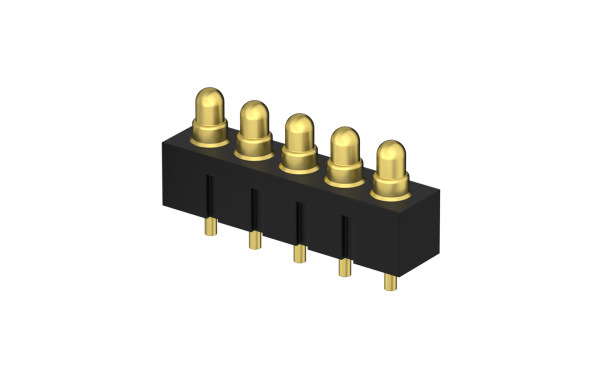
Structural characteristics of TXGA PGal probe plug connector and its impact on applications

The core of the TXGA PGal probe plug connector is to dynamically adjust the working height of the connector by utilizing the compression and rebound mechanism of the internal spring of the top pin. This design not only enhances the contact pressure of the connector contacts, ensuring the stability of the electrical connection, but also effectively resists the risk of poor contact or circuit breakage caused by vibration and impact, ensuring the continuity and reliability of signal transmission. The performance of TXGA PGal probe plug connector is closely related to its pin structure design, and different pin structures have different effects on the use of the connector.

The bottom of the needle tube of the flat bottomed top pin is designed to be flat, providing excellent stability and allowing for precise soldering on PCB boards, reducing installation errors.

The plug-in top pin integrates a positioning pin at the bottom of the needle tube to improve the positioning accuracy during welding and effectively prevent welding deviation.

Double headed top pins can provide greater spatial adaptability, and this type of connector can be flexibly applied to diverse board to board connection scenarios, meeting the needs of internal connections in complex electronic devices.

At present, TXGA PGal probe plug connector has become an indispensable key component in smart wearable and consumer electronic devices such as Bluetooth earphones, smart bracelets, smart watches, and drones. Its excellent electrical connection performance and structural adaptability provide strong support for the stable operation of these products.