
TXGA公告
【Notice】:TXGA Spring Festival holiday is from February15, 2026 to February23, 2026, a total of nine days, and work will resume on February 24, 2026. During the holiday, the website can place orders normally, and delivery will be arranged after the holiday. If you have any questions, you can send an email to the business manager: philomena.li@txga.com.

TXGA连接器厂家 Building Technology Cornerstone
{{ getLanguageDisplayName(lang) }} | CN | CNY
Your current browser version is too low or not supported. Please upgrade or change your browser. Recommended browsers: Chrome, Edge.
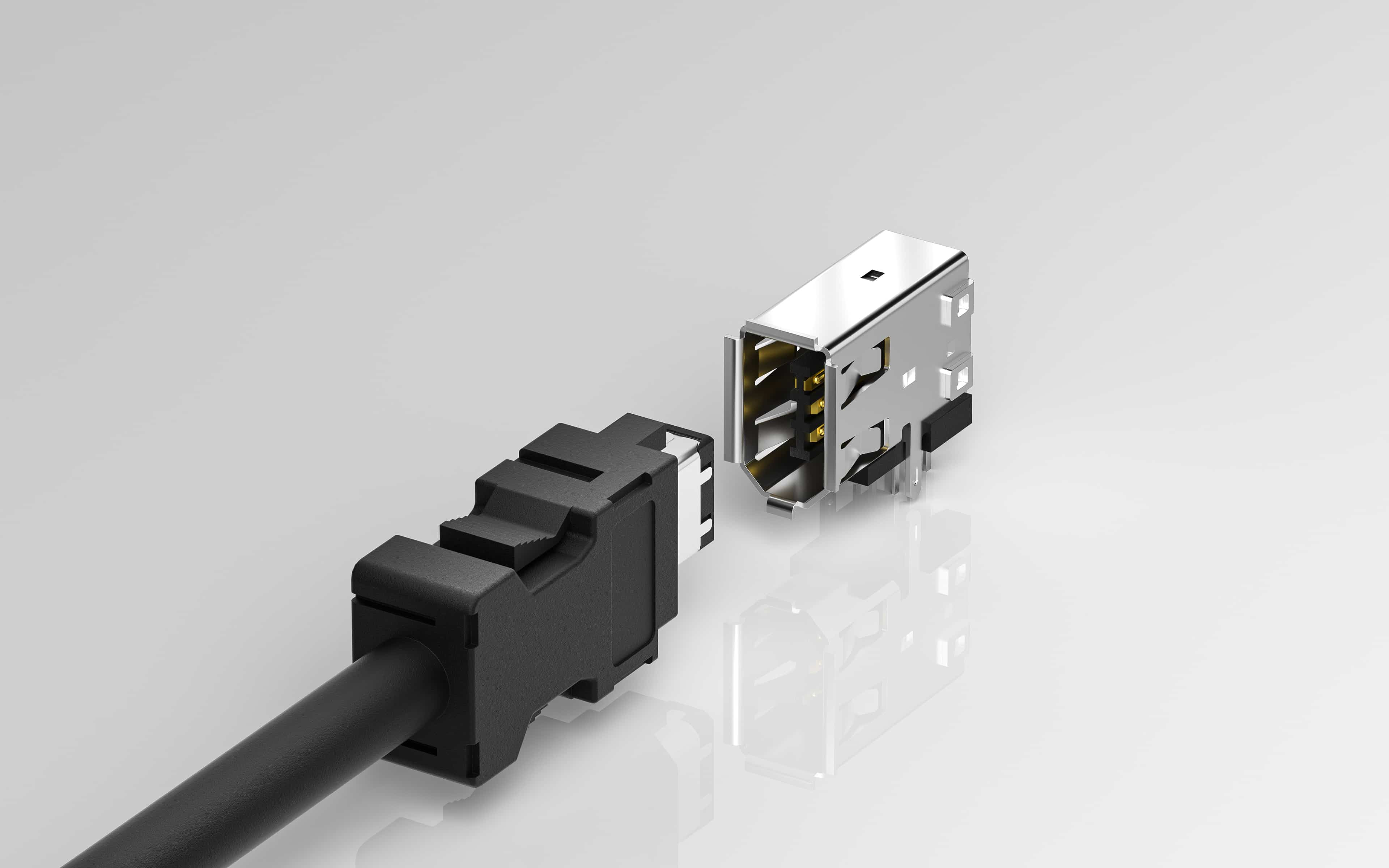
IEEE 1394 connector - differentiation analysis between 6-pin and 4-pin connectors

IEEE-1394, As a typical representative of serial digital interfaces, it has two forms: 6-pin and 4-pin. Among them, the 6-pin interface is hexagonal, while the 4-pin interface is a small quadrilateral. The core difference between the two lies in their different power supply capabilities - the 6-pin interface can provide power to connected devices through wiring, ensuring the continuity and stability of signal transmission.

In depth analysis of the 6-pin interface reveals that 4 pins are dedicated to data signal transmission, while the remaining 2 pins serve as power cords to provide electrical support for the device. In contrast, the 4-pin interface cannot achieve power supply function due to the lack of power pins. This design difference also determines their application scenarios on different devices: 6-pin interfaces are more common in desktop computers with ample space, while 4-pin interfaces are more common in home appliances such as laptops, all-in-one computers, and digital cameras due to space limitations and other factors.

The six pin IEEE-1394 connector developed and produced by TXGA not only has a data transmission rate of up to 400Mbps, but also supports power supply for external devices, achieving stable and efficient long-distance bidirectional data transmission. This feature makes it an ideal choice for meeting the high-quality long-distance transmission needs of multimedia devices.