
TXGA公告
【Notice】:TXGA Spring Festival holiday is from February15, 2026 to February23, 2026, a total of nine days, and work will resume on February 24, 2026. During the holiday, the website can place orders normally, and delivery will be arranged after the holiday. If you have any questions, you can send an email to the business manager: philomena.li@txga.com.

TXGA连接器厂家 Building Technology Cornerstone
{{ getLanguageDisplayName(lang) }} | CN | CNY
Your current browser version is too low or not supported. Please upgrade or change your browser. Recommended browsers: Chrome, Edge.
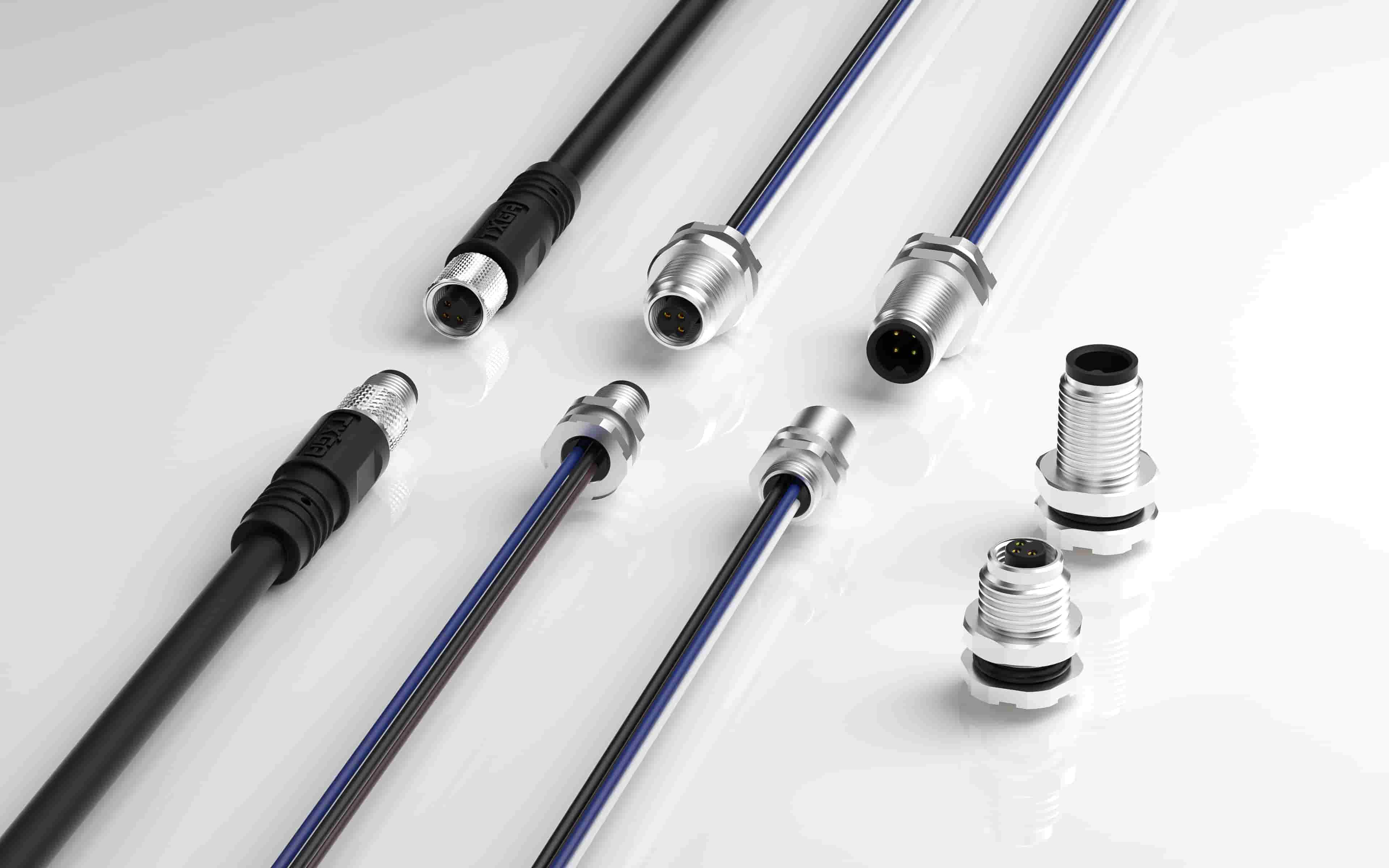
Anti rotation structure is a key design for safe interconnection of high-voltage wire connectors

High voltage wires, due to their thicker diameter, rely solely on the fixed structure between wire pins and connector sockets, and cannot fully ensure the stability of the connection. Especially in some motion areas, the movement of the wires themselves overlaps with the vibration of the vehicle during operation, which may affect the stability of the connection between the pins and connectors. In extreme cases, it may even lead to pin breakage. Therefore, high-voltage connectors usually require additional fixing measures to minimize relative movement between the high-voltage wires and the connector.

In internal design, common anti rotation designs include:

(1) Supporting rib clamping
The inner layer of the connector is designed with several support ribs, which can tightly clamp the high-voltage wire harness to prevent the rotation of the wires. This design has a certain anti torsion function, but the thickness of the support bars is limited, so the degree of performance improvement is also limited.

(2) Polygon restriction
By using hexagonal protective covers, metal sleeves, or anti rotating parts, it is possible to effectively prevent radial rotation of the wire relative to the protective cover. This design can effectively improve the stability of the connection and ensure the safe operation of high-voltage wires in the connector.